
Safety · Alabama
A house fire in Alabama is about a third more likely to result in loss of life
The national numbers on electrical fires are bad enough. The Alabama numbers are worse, and the reason is not what most people assume.
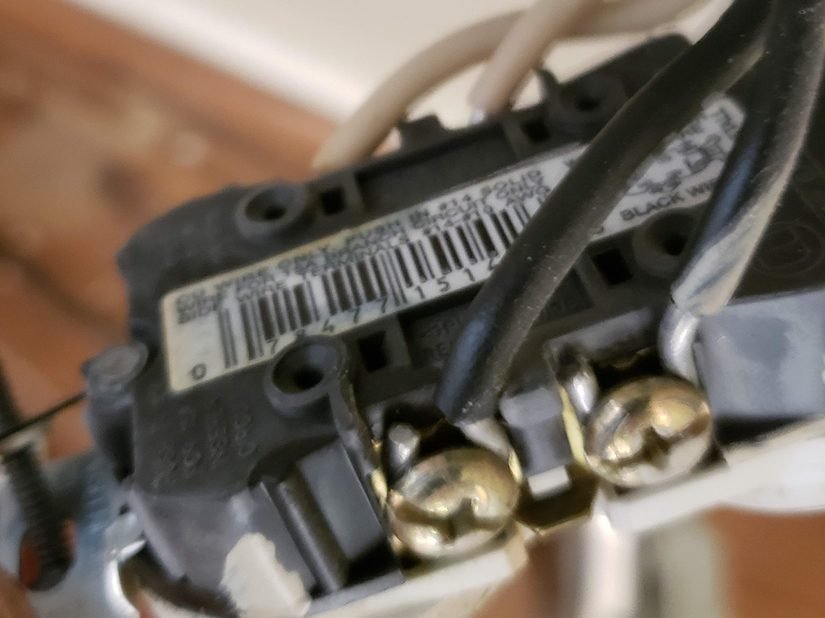
In 2023, residential structure fires in Alabama resulted in 7.7 deaths for every 1,000 fires. The national figure that year was 5.8. That is roughly a third more deaths from the same number of fires, and it has been a pattern for years rather than a one-year spike — Alabama has historically sat near the top of the national fire death tables.
The instinctive explanation is that Alabama has more fires. That is not really it. The gap is in what happens after ignition: how long a fire burns before anyone knows, how far people have to go to get out, and how quickly a department can get there. Rural response distances, older housing stock, a higher share of homes without working interconnected smoke alarms, and heating practices in cold snaps all push the same direction.
What actually moves the number is unglamorous. Interconnected smoke alarms in every bedroom, so the whole house wakes up rather than one room. Alarms younger than ten years, because the sensors degrade whether or not the test button still beeps. AFCI protection on bedroom circuits, which is designed to catch exactly the arcing faults that start fires in concealed wiring. And getting a look at the connections that have been quietly heating up for twenty years.
None of that is dramatic, and none of it is expensive next to the alternative.